- Definition Ad naming convention
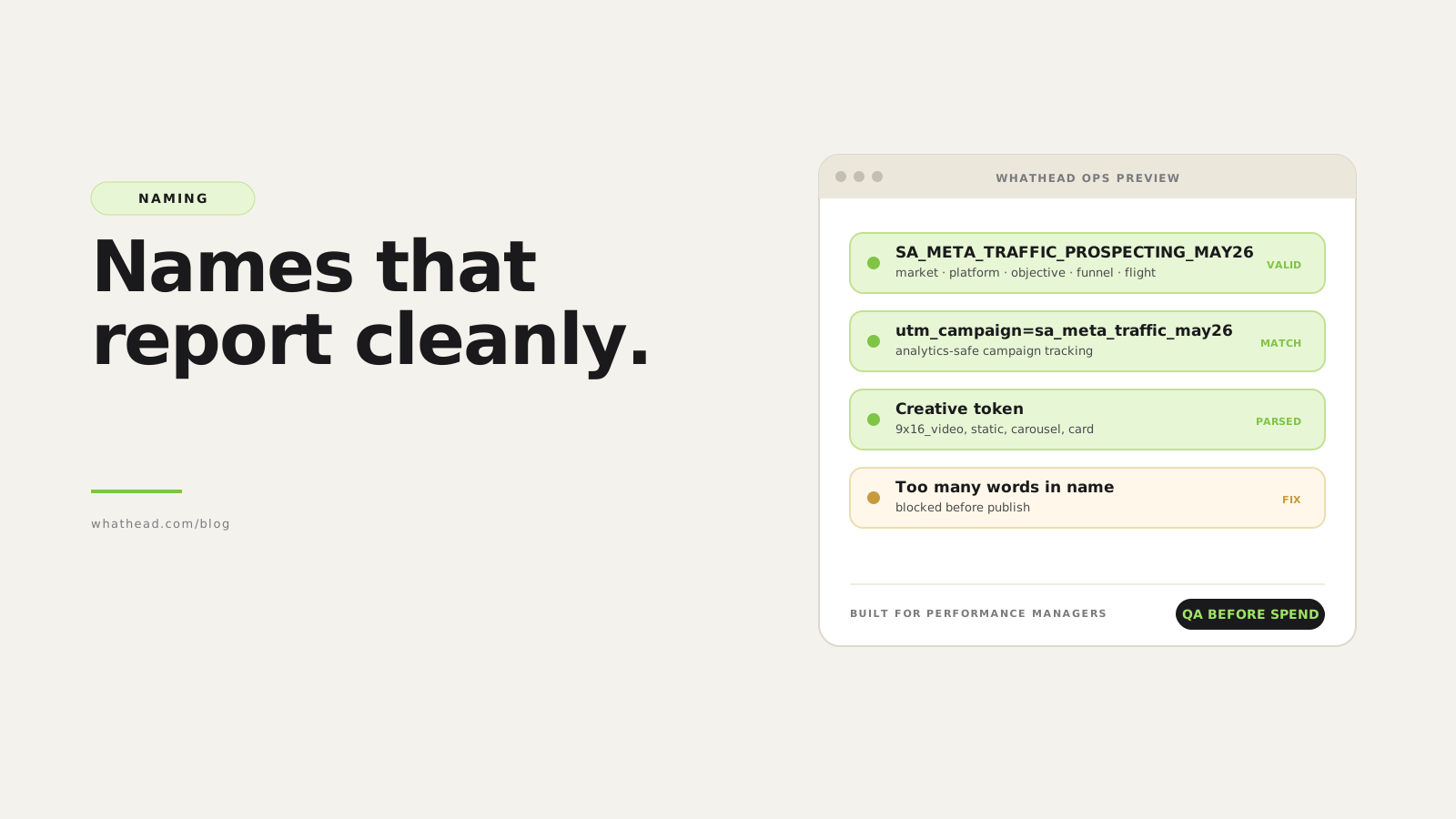
- An ad naming convention is a structured format for campaign, ad set, ad, and UTM names. It helps teams identify platform, market, objective, audience, creative, date, and reporting dimensions consistently.
Naming looks like housekeeping until reporting breaks.
Then it becomes the reason the team cannot filter campaigns, reconcile spend, match UTMs, find the right creative, or safely bulk edit a group of ad sets.
Whathead treats naming as an operational rule inside campaign building. Names can be generated from plan fields, checked before launch, and kept aligned with tracking and reporting instead of being typed manually at the end.
Names as labels vs names as operations
Loose naming
Breaks later- Different abbreviations by operator
- UTMs drift from platform names
- Bulk edits rely on guesswork
Whathead naming workflow
Structured at build time- Names generated from mapped fields
- Errors visible before launch
- Reporting and QA use the same tokens
What this looks like in the workspace
- Shared taxonomy
Use the same logic across campaign names, ad set names, ads, and UTMs.
- Media plan fields
Build names from approved plan columns instead of free text.
- Launch validation
Catch missing tokens, inconsistent markets, and bad naming before publish.
From messy request to controlled publish
- 01Define tokensPick the fields that matter
- 02Map columnsConnect plan data to name parts
- 03GenerateCreate names during build
- 04ValidateFlag missing or inconsistent values
- 05ReportUse names confidently after launch
What better naming unlocks
- Cleaner reports and pivots
- Faster launch QA and approval review
- Safer bulk edits by audience, market, or creative theme
- UTMs that match platform structure
Good naming means a performance manager can understand the campaign before opening the settings.
Standardize names inside Whathead media plan import, then use bulk edits to keep naming, UTMs, dates, and statuses aligned across ad platforms.
Why naming conventions break
Naming systems break when they try to encode everything. The operator starts skipping fields, inventing abbreviations, or pasting older names.
They also break when the naming format is only documented in a deck. A naming convention should be enforced where campaigns are built.
- Too many tokens
- Tokens that mean different things by platform
- No controlled vocabulary for objective or market
- Manual UTM fields that drift from campaign names
- No validation before publish
| Level | Name | Owner | Status |
|---|---|---|---|
 Meta Meta | SA_META_AWARENESS_PROSPECTING_VIDEO_MAY26 | Media buyer | Ready |
 TikTok TikTok | SA_TT_TRAFFIC_RETARGETING_9X16_MAY26 | Media buyer | Ready |
 X X | SA_X_REACH_PROSPECTING_POST_MAY26 | Media buyer | Review |
 Google Google | SA_GADS_SEARCH_BRAND_MAY26 | Search owner | Ready |
A naming preview lets the team catch broken tokens before campaigns are created.
Recommended paid media name structure
- MarketUse a controlled country or region code, such as SA, AE, UK, US, GCC.
- PlatformUse platform shorthand: META, TT, SNAP, X, RD, LI, GADS.
- ObjectiveUse the business objective or platform objective: AWARENESS, TRAFFIC, LEADS, SALES.
- FunnelUse PROSPECTING, RETARGETING, LOYALTY, CRM, BROAD.
- AudienceUse a short stable label, not a full sentence.
- CreativeUse format or message family: VIDEO, CAROUSEL, STATIC, UGC.
- FlightUse month or campaign flight: MAY26, Q3_26, RAMADAN26.
A naming convention that survives real work
A good naming format is strict in the fields that affect reporting and flexible in the fields that help humans understand the work.
- Use uppercase tokens for machine-readable dimensions
- Use underscores or pipes consistently
- Avoid free-text objective values
- Keep campaign names below platform limits
- Mirror critical campaign tokens in UTMs
- Document allowed values next to the builder
What each naming token should do
| Token | Example | Why it exists | |
|---|---|---|---|
| Market | SA, AE, GCC | Groups spend and reporting by geography | |
| Platform | META, TT, SNAP, X | Separates platform delivery and reporting | |
| Objective | REACH, TRAFFIC, LEADS | Connects plan intent to platform setup | |
| Creative | 9X16_VIDEO, STATIC, CARD | Makes creative performance readable |
How to build a paid media naming convention
Create a naming system that supports launch QA, reporting, and bulk operations.
⏱ About 20 minutes
- 01
List reporting dimensions
Start with the dimensions that dashboards, clients, and finance actually use.
- 02
Choose controlled tokens
Create a short allowed list for market, platform, objective, funnel, and creative format.
- 03
Map tokens to entity levels
Decide what belongs in campaign names, ad set names, ad names, and UTMs.
- 04
Validate during build
Reject missing, unknown, or too-long naming values before publish.
- 05
Review after launch
Audit live names against the convention and fix the source workflow, not only the report.
Campaign names vs UTMs
Campaign names help operators. UTMs help analytics. They should agree, but they do not need to be identical strings.
- Use stable UTM values
- Avoid spaces in UTMs
- Do not put every ad set detail in campaign UTM
- Keep creative and audience details where they belong
Names for duplicates and updates
Duplicated campaigns should inherit the strategy tokens but update the flight, market, or test token. Live updates should not silently rename historical entities unless reporting expects it.
- Update flight tokens on duplicates
- Preserve historical names unless intentionally migrating
- Show before/after name diffs in bulk edit
Ad naming convention checklist
Use this when building or reviewing a naming system.
- Tokens are short and documented
- Every token has an allowed value list
- Campaign, ad set, ad, and UTM rules are separate
- Name length fits platform limits
- Bulk import validates names before publish
- Reporting dashboards group by the same tokens
Frequently asked questions
What should be included in an ad naming convention?
At minimum: market, platform, objective, funnel or audience, creative format, and flight. Add only fields that support operations or reporting.
Should campaign names and UTMs match?
They should use the same taxonomy, but they do not need to be identical. UTMs should be stable and analytics-friendly.
How long should ad names be?
Short enough to fit platform limits and remain readable. If a name needs every detail, move some dimensions to structured fields instead.
Can naming conventions be automated?
Yes. Naming can be generated from media plan columns and validated before publish so teams do not type every name manually.
Written by the Whathead team. We build the operational workspace for paid media teams across Meta, TikTok, Snapchat, Reddit, LinkedIn, Google, and X. Last reviewed May 16, 2026.